Tooth decay: how can I recognize a cavity?
Sensitivity, pain or a mark on a tooth: which signs may be reasons to ask for a dental assessment?
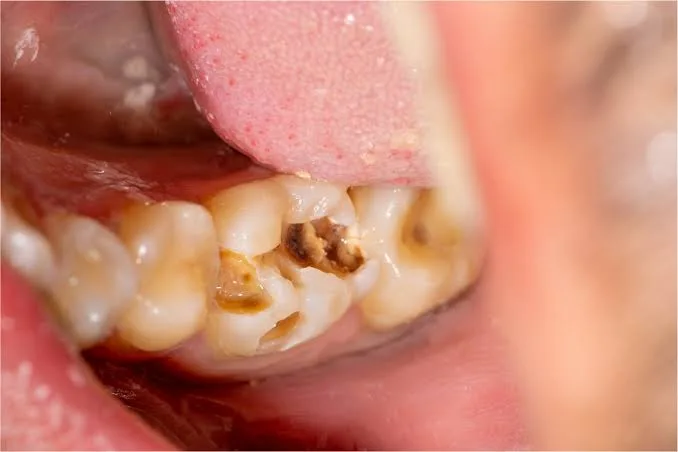
Tooth decay is a gradual process that affects tooth tissue. It can develop without pain at first, so having no discomfort does not rule out a problem. Only a dental professional can assess a tooth and determine whether decay is present.
## What signs may be worth checking?
Sensitivity to cold, heat or sweet foods, pain when chewing, a mark or a visible change may be reasons to ask for advice. These signs alone do not prove that a cavity is present; other causes are possible. Some cavities do not cause noticeable symptoms.
## How may a dentist assess a cavity?
The practitioner asks about your concern and may examine the tooth. Depending on what they observe, additional assessment may be suggested and its purpose explained. Options depend on the extent of the problem and your situation. The practitioner discusses possible care, stages and follow-up before you decide.
## What can I do while waiting?
Arrange an appointment if discomfort persists or you notice a change. Continue gentle, usual oral hygiene without trying to scrape or puncture the tooth. Avoid applying home remedies directly to the tooth, and use medicines only as advised by a health professional. If pain is severe or swelling develops, contact a health professional promptly.
To speak with Cabinet Sourire Serein in Douala, call +237 677 873 442 or email [email protected].
## Further information
World Health Organization, oral health: https://www.who.int/news-room/fact-sheets/detail/oral-health
NIDCR, tooth decay: https://www.nidcr.nih.gov/health-info/tooth-decay
This article is general information and cannot diagnose a cavity.